
The Opedia Network
TransmissionsOpedia
Find local transmission repair, replacement, rebuilding, diagnostics, fluid service, and drivetrain help near you.
Find Transmission Sales & ServiceSearch for transmission sales & services by ZIP code or city/town
Find local places, services, products, and resources connected to transmissions.


Your Guide to Transmission Repairs and Sales
TransmissionsOpedia helps you find nearby transmission shops and drivetrain service options while giving you practical, consumer-friendly guidance about warning signs, diagnostics, repairs, rebuilds, replacements, maintenance, costs, and how to choose a shop you can trust.

Is My Transmission Failing or Is It Something Else?
Transmission trouble can feel frightening because the symptoms often affect how the whole vehicle drives. Slipping, delayed engagement, shuddering, harsh shifts, whining, leaks, warning lights, burning smells, and loss of power can all point toward transmission trouble, but they can also involve sensors, mounts, axles, engine performance, fluid level, or electronic controls. TransmissionsOpedia helps visitors understand the difference between symptoms and diagnosis. The goal is not to guess the repair from one sound or one warning light, but to know when to stop driving, what questions to ask, and when a trusted transmission shop should inspect the vehicle.


What Are the Warning Signs of Transmission Trouble?
Common warning signs include delayed shifting, slipping between gears, shuddering during acceleration, clunking into drive or reverse, unusual whining or grinding, fluid leaks, burning smells, warning lights, high engine revs without normal acceleration, or a vehicle that refuses to move. Some symptoms are urgent, especially if fluid is leaking badly, the vehicle will not engage, or the transmission overheats. TransmissionsOpedia helps visitors notice early signs before small problems become major repairs. It also encourages safer decisions, because continuing to drive with serious transmission symptoms can sometimes turn a repairable issue into a much more expensive failure.


Transmission Repair, Rebuild, or Replacement — Which Makes Sense?
A transmission problem may be solved by a minor repair, an electronic or sensor correction, a fluid-related service, a partial repair, a complete rebuild, a remanufactured unit, or a replacement transmission. The right answer depends on the vehicle, mileage, symptoms, internal damage, parts availability, warranty, labor cost, and how long the owner expects to keep the vehicle. TransmissionsOpedia helps visitors understand the difference between repair, rebuild, and replacement so they can compare estimates more intelligently. The cheapest option is not always the best, but the most expensive option is not always necessary either.

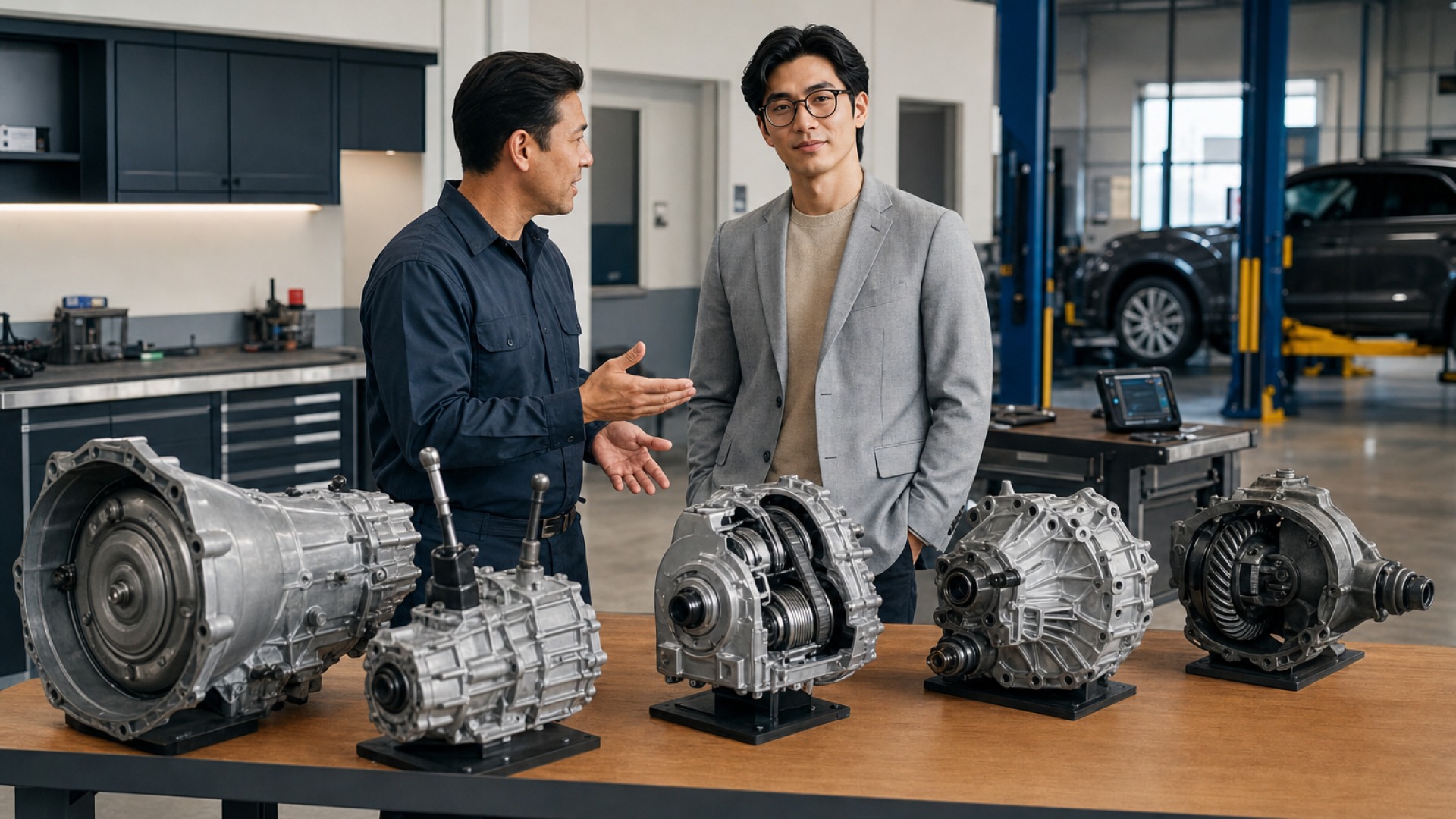
Automatic, Manual, CVT, Dual-Clutch, and 4WD Transmissions
Different transmission types behave differently and may require different service approaches. Traditional automatics, manuals, CVTs, dual-clutch systems, transfer cases, differentials, and all-wheel-drive or four-wheel-drive drivetrains can produce symptoms that overlap. A shudder in one vehicle may not mean the same thing as a shudder in another. Fluid type, service procedure, parts availability, programming, and diagnostic tools can also vary. TransmissionsOpedia helps visitors understand the basic categories before calling a shop, buying a vehicle, or trying to compare repair advice across different vehicles.

What Does Transmission Fluid Do and When Should It Be Changed?
Transmission fluid can cool, lubricate, clean, protect, and help operate hydraulic functions inside many transmissions. The right fluid matters because modern vehicles may require specific formulations. Low fluid, old fluid, contaminated fluid, wrong fluid, or overheated fluid can contribute to shifting problems and internal wear. Service intervals vary by vehicle, use, age, mileage, towing, stop-and-go driving, and manufacturer recommendations. TransmissionsOpedia helps visitors understand fluid checks, drain-and-fill services, flush debates, leaks, and why some vehicles require professional procedures rather than a casual driveway guess.

Why Is My Car Slipping, Jerking, Shuddering, or Delaying Shifts?
Slipping, jerking, shuddering, and delayed shifts can come from many causes. Some are transmission-internal. Others may involve fluid condition, solenoids, sensors, software, mounts, torque converter issues, clutch wear, misfires, axle problems, or driveline vibration. A good shop should not rely on guesswork. It should listen to the symptoms, test drive when appropriate, scan for codes, inspect fluid and leaks, and explain what the evidence suggests. TransmissionsOpedia helps visitors describe symptoms clearly so they can have a more useful conversation with a repair professional.

How Much Should Transmission Repair Cost?
Transmission costs can vary widely because the problem may be minor, electronic, fluid-related, mechanical, internal, or severe enough to require rebuild or replacement. Labor time, parts availability, vehicle design, warranty, diagnostic fees, towing, programming, and shop practices can all affect the final bill. A very low estimate may not include everything, while a high estimate should be explained clearly. TransmissionsOpedia helps visitors compare estimates, understand what is included, ask about warranty terms, and avoid confusing a diagnostic fee with a full repair price.

What Questions Should I Ask a Transmission Shop?
Good questions can protect a customer from confusion. Ask how the shop diagnosed the problem, whether the issue is internal or external, what parts and labor are included, whether programming or relearning is required, how warranty coverage works, whether the estimate includes fluid and seals, how long the repair should take, and what could change once the transmission is opened. TransmissionsOpedia helps visitors prepare for that conversation. A trustworthy shop should be willing to explain its findings, its process, and the limits of what can be known before deeper inspection.

Can I Keep Driving With a Transmission Problem?
Whether it is safe or wise to keep driving depends on the symptom. A small leak, mild delay, or occasional warning light may still deserve prompt attention, while severe slipping, overheating, grinding, loss of movement, heavy leaks, or burning smells may call for stopping the vehicle and arranging service. Continuing to drive can sometimes make damage worse. TransmissionsOpedia helps visitors think through risk without pretending to diagnose every vehicle online. When the vehicle behaves unpredictably, safety should come before convenience.

What Other Drivetrain Parts Can Feel Like Transmission Trouble?
Not every symptom that feels like a transmission failure is actually inside the transmission. Engine misfires, motor mounts, axle shafts, CV joints, wheel bearings, differential problems, transfer case issues, driveshaft vibration, software, sensors, and even brake or tire issues can sometimes mimic transmission trouble. That is why diagnosis matters. TransmissionsOpedia helps visitors understand why a good shop may need to inspect the broader drivetrain before naming the repair. This can prevent replacing an expensive transmission when the actual problem is elsewhere.

How Do I Choose a Transmission Shop I Can Trust?
A trustworthy transmission shop should listen carefully, explain diagnostics, provide clear estimates, discuss repair options honestly, disclose warranty terms, and avoid pressuring customers into major work before the evidence supports it. Local reputation, reviews, certifications, experience with the vehicle type, warranty support, clean communication, and willingness to answer questions all matter. TransmissionsOpedia helps visitors look beyond the lowest price and focus on competence, transparency, and service. The right shop should help the customer understand the problem, not just fear it.

For Local Businesses, Content Creators, and Prize Sponsors
Interested in learning how TransmissionsOpedia and the Opedia Network may help you reach new customers, create new opportunities, or increase your cash flow? Please check all that apply below.